The word ‘maintenance’ sounds rather mundane and unexciting. It seems to describe a holding operation, implying a continuation of existing conditions and preservation of the status quo. In fact, nothing could be further from the truth. As well as lowering operational costs and raising environmental performance, maintenance can also be a powerful tool for improvement.
However, although maintenance is important, there will come a time when it is not enough on its own. Like all mechanical equipment, the performance of AHUs deteriorates over time and, as a result, the space it serves will be poorly conditioned. That leaves the building owner or facilities manager with a serious decision – should they replace or refurbish?
Refurbish or replace?
Which of these is the right choice will depend on a range of factors including the age of the equipment, its performance characteristics and how ‘mission critical’ the system is, whether the structural integrity of the casework is intact, and if any requirements to change performance can be achieved within the parameters of the original design of the system.
Generally speaking, however, replacement involves a great deal of expense and disruption as well as being subject to relatively long lead times whereas refurbishment is less expensive (typically around 35 to 50% the cost of buying new) and more flexible (disruption in an occupied building can, for example, be minimised by ‘working around’ existing conditions). Refurbishment also leaves existing services such as ductwork, pipework and wiring unaltered and overcomes the transport and access difficulties associated with replacing a unit.
Upgrade to boost performance
There are also other advantages to refurbishing AHUs rather than replacing them. For example, a refurbishment offers the opportunity to upgrade the existing system to boost performance. The resulting increase in efficiency can result in significant reductions in operational costs and less likelihood of breakdown.
AHU refurbishment services from ECEX
ECEX offers an AHU refurbishment and repair service designed to extend the lifespan of existing AHUs, increase their operating efficiency, save energy, boost performance, and typically reduce running costs.
The ECEX service covers the repair and replacement of all types of coils, belt drives, motors, fans, bearings and spares.
The AHU refurbishment and repair service joins ECEX’s existing services, which include access safety and metalwork fabrication; mechanical engineering (from replacing pipework and valves to upgrading or downsizing water storage tanks); and energy saving and building compliance solutions such as the revolutionary ECEX Air Intake Screen.
Call ECEX on 01635 244100 for a free site visit. Find out more, here.
12 reasons to refurbish rather than replace AHUs
Modernising and optimising an existing HVAC system…
- Is often less expensive than replacing it;
- offers the opportunity to install the latest energy efficient technology;
- minimises disruption;
- reduces downtime;
- overcomes the transport and access difficulties associated with replacing a unit;
- is more environmentally friendly because it re-uses existing equipment;
- can extend the service life of the components in HVAC plant;
- leaves existing services such as ductwork, pipework and wiring unaltered;
- can dramatically reduce energy consumption;
- allows operators to use HVAC systems with which they are familiar;
- can allow the building owner to charge higher rents;
- makes the building more attractive to a potential buyer.

Outdoor air can enter and leave a building by infiltration, natural ventilation and mechanical ventilation.
This means that pollutants that lurk outdoors can often be found indoors too. where they can join other irritants to produce a cocktail of contaminants that trigger coughing, chest tightness, sore throat, watery or itchy eyes, shortness of breath and even a full-blown asthma attack.
But the problems associated with poor indoor air quality (IAQ) don’t stop there, they have been exacerbated by the global COVID-19 outbreak and the mounting evidence that it could be spread through the air as well as through contact with surfaces.
Protecting indoor air
The average office worker takes two million breaths in a typical year. This makes the protection of the indoor space (particularly in offices where sick leave can have a dramatic negative impact on productivity) a priority.
A major factor influencing the quality of indoor air in offices is the ventilation system design, operation and maintenance. If the ventilation system is already in place and operational in a building, it would be expensive, disruptive and time consuming to replace it.
Pre-filtration on AHUs
However, the good news is that negative influences on indoor air quality can be mitigated using engineering controls. For example, some form of pre-filtration on air handling units and other HVAC equipment situated outside can help keep out detritus such as pollen, leaves, feathers, insects and dust.
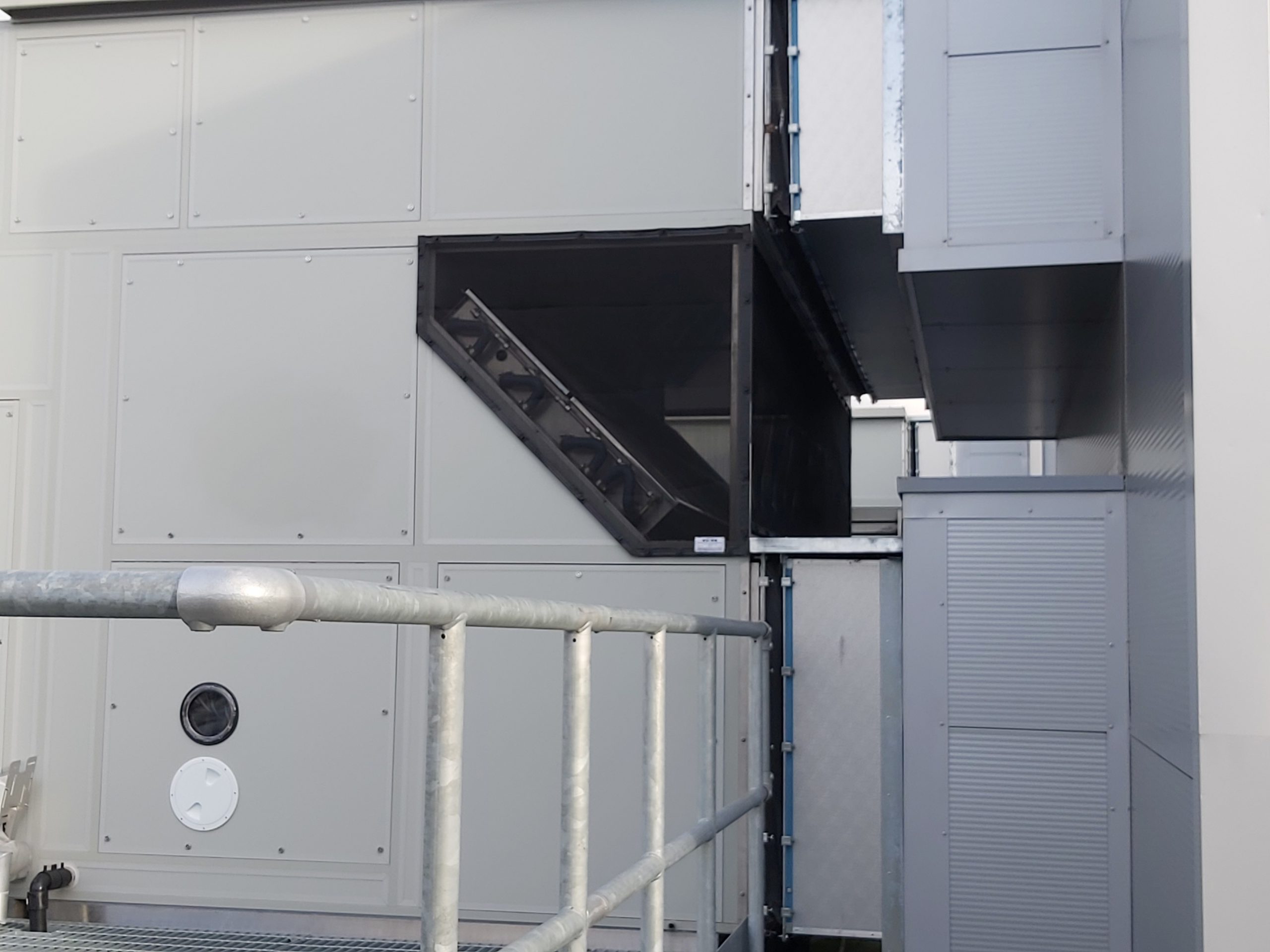
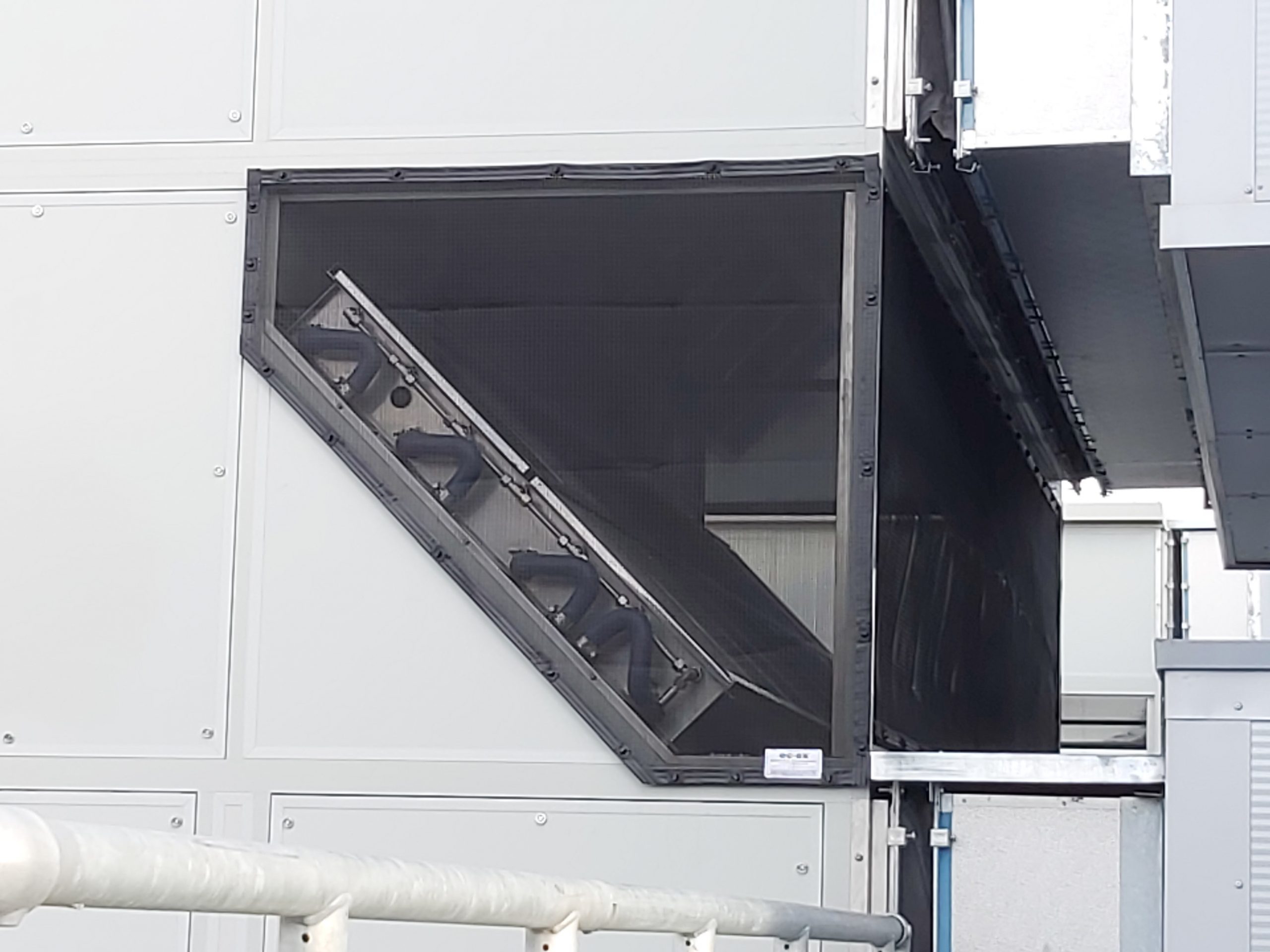
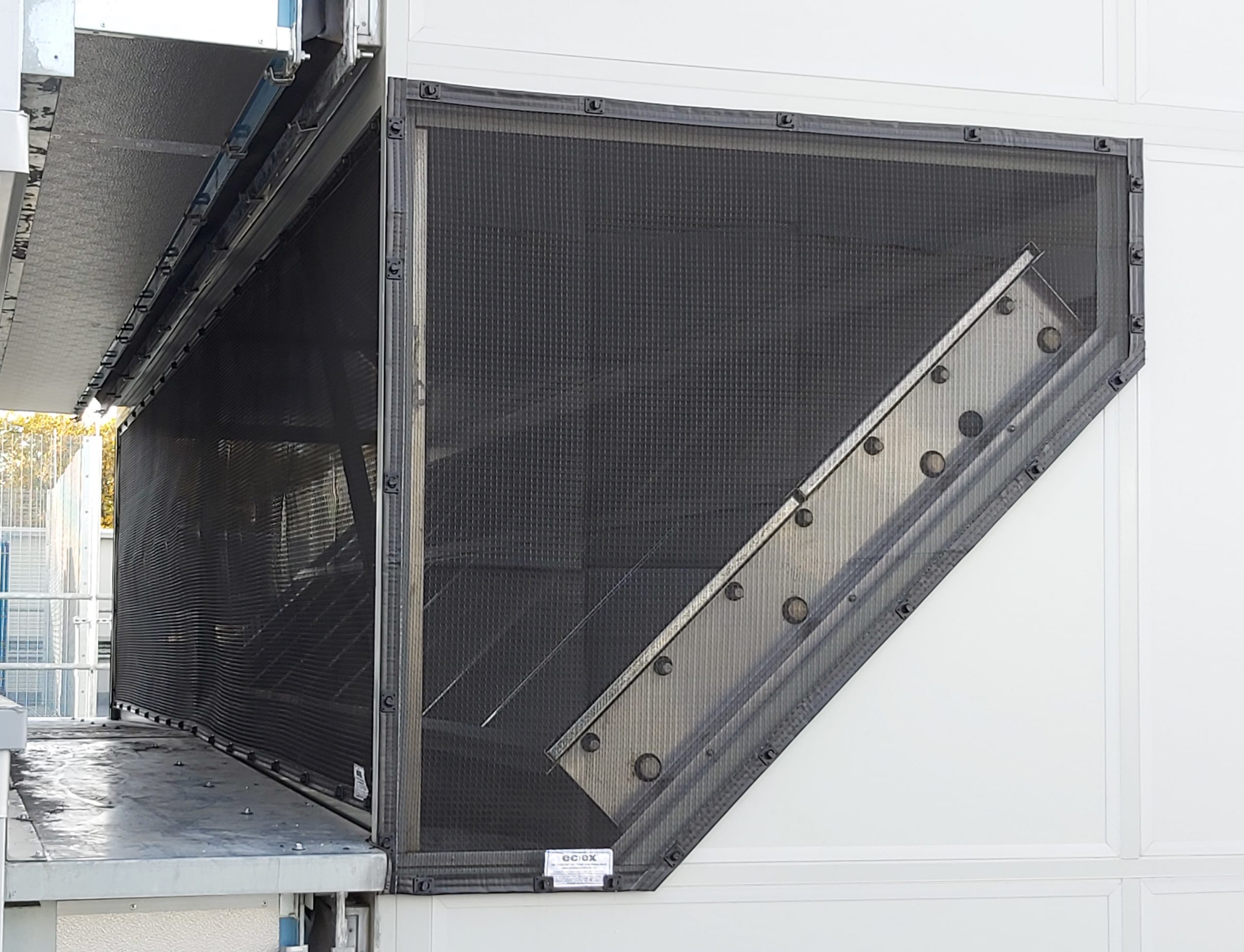
Our own ECEX Air Intake Screens are long-lasting external protection filters are made from a unique mesh which traps airborne debris before it can enter and clog condenser coils and air intakes.
They have gained several key business advantages including a filter life extended by up to 60% and maintenance requirements reduced by up to 75%. On top of this, benefits of ECEX Air Intake Screens include lower coil treatment and cleaning costs, energy consumption and cooling tower water treatment chemical requirements.
Click here for more details.
Removing bacteria throughout a HVAC system
If, however, the need is for a solution that protects against smaller particles down to microbe size, then ECEX also has a solution.
CoilCare CC-X is a powerful automated disinfectant that harnesses UV light to prevent bacteria, viruses and organic growth from taking-hold on cooling coils. It can be retrofitted into existing ventilation units to instantly start fighting the bacteria that builds up on cooling coil faces.
As air is cooled by passing across the coil, condensation build up, creating a biofilm on the coil face. This bio film is the perfect breeding ground for bacteria, and also reduces the efficiency of the coil itself. By removing the biofilm forming on coil faces, CoilCare CC-X also restores thermal efficiency of the coil, reducing energy usage throughout the cooling system.
CoilCare CC-X prevents bacteria, viruses, and organic growth from reproducing and multiplying on cooling coil surfaces. This also dramatically reduces airborne organic growth throughout the entire HVAC system, thus improving IAQ, which in turn leads to a wide range of associated occupational health benefits.
ECEX is able to supply and install CoilCare CC-X systems into most air handling units. Once installed, it is inexpensive to run and virtually maintenance free.
Click here for more details.
How bad air gets inside
There are essentially three ways in which outside pollution can make its way inside a building – infiltration, natural ventilation and through mechanical ventilation:
- Infiltration involves outdoor air flowing into buildings through openings, joints, and cracks in walls, floors, and ceilings, and around windows and doors.
- Leakage through natural ventilation means air moves through opened windows and doors. Both air movement associated with infiltration and natural ventilation are caused by air temperature differences between indoors and outdoors and by wind.
- Mechanical ventilation devices that use fans and duct work to continuously remove indoor air and distribute filtered and conditioned outdoor air into the indoor space.
Contact us to find out how we can help keep the air in your indoor environments clean and pathogen free.
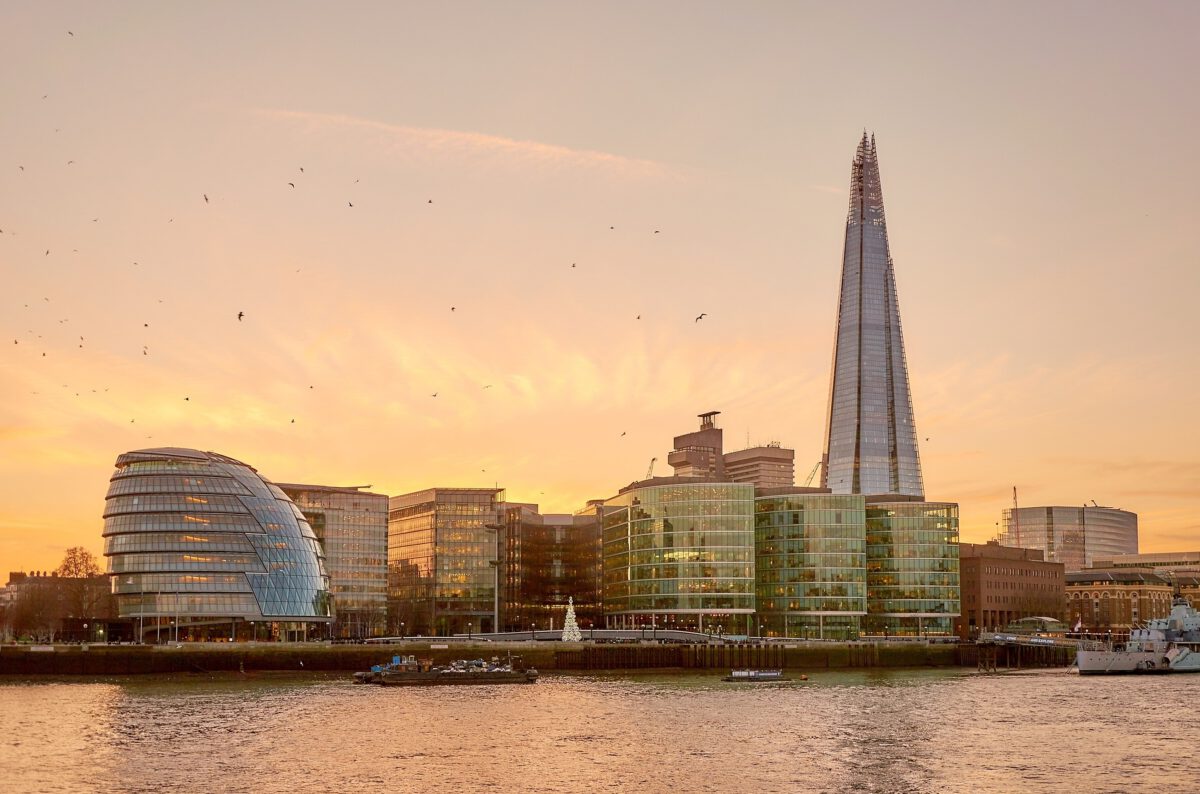
The government has published a ‘roadmap’ designed to lift limits imposed because of the COVID-19 pandemic.
The first part of the four-stage process is set to begin on March 8 with the reopening of educational establishments followed by further easing of restrictions progressively over the following weeks if certain conditions are met. The aim is for all COVID-19 controls to be lifted by 21 June at the earliest.
This is great news. After all, the virus has created unprecedented challenges, not least because it means that hundreds of thousands of people now work from home or are prevented from travelling. As a result, many commercial buildings have effectively shut down.
However, it also creates an issue for building owners and maintainers – how can they safely open up buildings as more people return to their workplaces?
Thankfully, help is available. The Building Engineering Services Association (BESA) has released a detailed guidance on this very topic via a guide which covers mothballing and recommissioning of HVAC systems
Thousands of UK buildings are already maintained in line with the industry’s planned maintenance standard SFG20 – originally introduced in 1990 – which is continually updated by BESA to reflect changing technical and regulatory requirements.
This has been joined by a recently updated and relaunched sister standard – SFG30 ‘Mothballing and Reactivation. SFG30 takes users through a process for maintaining critical services during a low (or no) occupancy period ready for rapid and full reactivation when business returns to normal.
This includes key elements such as keeping water systems safe and healthy (in line with the Health & Safety Executive’s L8 rules for legionella control); active and passive fire protection systems; safe handling of refrigerant gases; electrical and gas service safety checks and ventilation hygiene. It also explains how to maintain security systems and lifts if they are still in service among many other factors.
SFG20 and SFG30 were made possible by BESA members sharing years of specialised building engineering expertise and experience and contain essential information to get buildings safely through this critical period.
But they are not enough on their own. Enlightened FMs know that the only way to guarantee peace of mind is to employ competent experts that can offer comprehensive air handling unit maintenance and repair.
Employing skilled engineers, ECEX has a long track record of undertaking a complete range of mechanical services to the building services industry from replacing pipework and valves to upgrading or downsizing water storage tanks.
Among the services supplied by the company are AHU refurbishment and repair and the installation of UV-C disinfection for ventilation systems, as well as coil repair and replacement. ECEX is also an expert in pipework and valve repair, replacement and alteration, and water storage and L8 remedial works.
Click here for more details of the comprehensive list of services we offer.
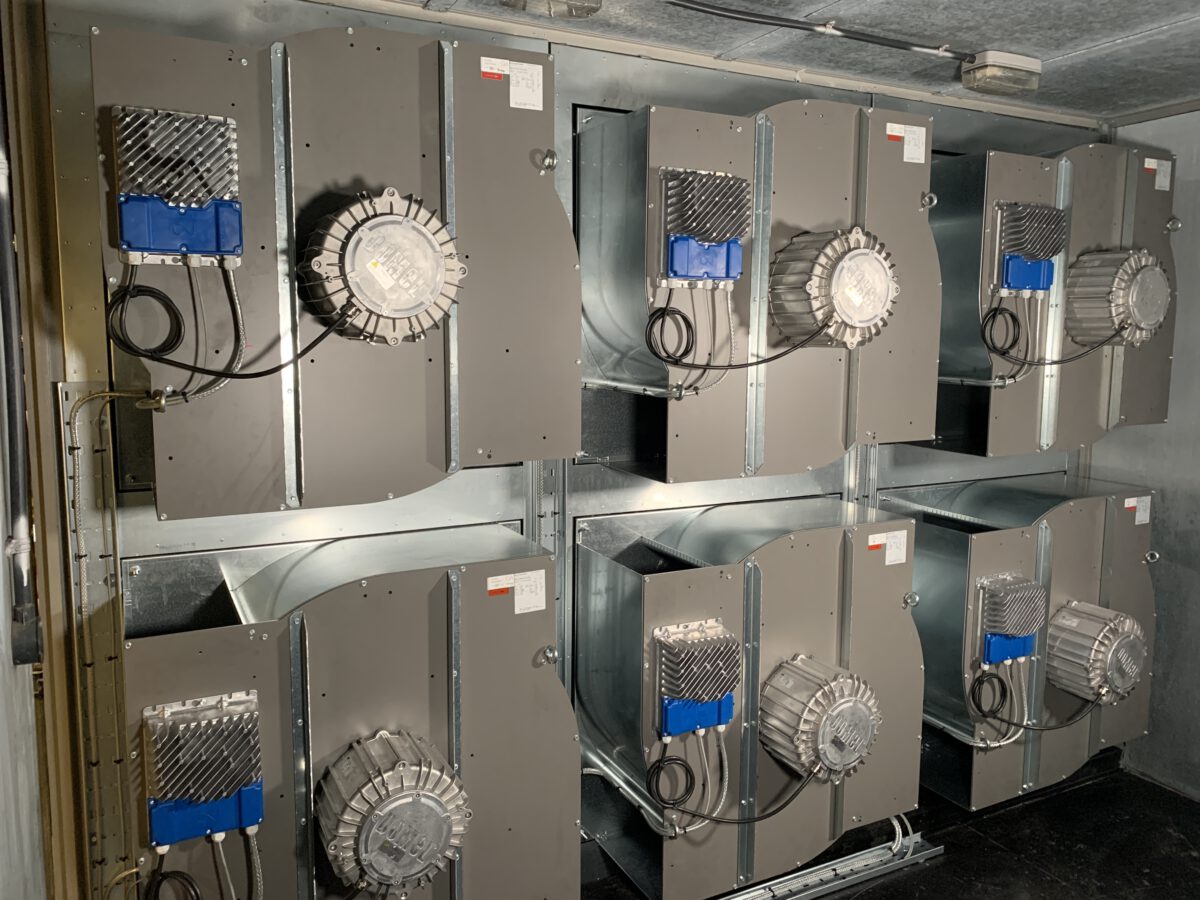
The law is clear – employers must ensure that there’s an adequate supply of fresh air in enclosed areas of the workplaces for which they are responsible. Fresh air is generally maximised either by natural or mechanical ventilation, or through a combination of the two.
Providing fresh air via appropriate ventilation has, of course, always been important to the health and wellbeing of building occupants but it is even more critical since the onset of COVID-19.
How does HVAC help protect occupants from Covid 19?
It is, after all, now widely recognised that COVID-19 transmission commonly occurs in enclosed spaces. It is also true that effectively maintained HVAC systems play a vital role in decreasing potential airborne transmission of the virus.
People are contemplating the prospect of a return to work as the positive impact of the vaccination programme and lockdown measures begin to emerge.
However, it seems likely that COVID-19 will be with us for a long time to come, even after the pandemic, albeit in a less aggressive form.
Respected medical journal The BMJ is just one of many respected sources that have confirmed this. It said in an article in February: “The SARS-CoV-2 coronavirus [COVID-19] will not be eradicated but will become endemic, continuing to circulate in pockets of the global population for years to come and causing outbreaks in regions where it had been eliminated, scientists working in the field believe.”
Meanwhile, a survey in multi-disciplinary science journal Nature has revealed that almost 90% of scientists expect the virus that causes COVID-19 to become endemic (https://go.nature.com/39pQOzv).
That is why it remains a pressing concern to consider all the issues associated with protecting people from the risks posed by airborne transmission of pathogens.
HSE guidance on ventilation and air conditioning
Thankfully, help is at hand. The Health and Safety Executive has published some useful guidance in the form of a recently updated publication called ‘Ventilation and air conditioning during the coronavirus pandemic’ (https://bit.ly/3sDfoEs).
As well outlining why ventilation is important, this assesses the risks associated with aerosol transmission of the virus. It then goes on to identify poorly ventilated areas and explains how to improve natural and mechanical ventilation as well as balancing ventilation with keeping warm. Finally, it investigates air cleaning and filtration units and ventilation in vehicles.
CIBSE also offers a wealth of information about how to tackle the issues around COVID-19 and emerging safely from the lockdown (https://bit.ly/3clPjnP).
But advice from government agencies and professional engineering associations is not enough on its own. It is also important to employ experts when installing, refurbishing or maintaining HVAC systems to ensure effective, reliable operation and peace of mind.
Expert ventilation services
ECEX, for example, offers a range of AHU and ventilation services, designed to ensure air handling units and associated HVAC equipment is efficient, reliable and safe.
From AHU refurbishment and repair to extend usable life and enhanced operational efficiency, to UV-C disinfection, which removes bacteria, viruses and other pathogens from internal components, ECEX can provide a total solution to keep HVAC equipment working to its optimum, while contributing to improved indoor air quality.
Click here for more information.

Specialised ventilation products help support digital demand fuelled by home working and online shopping
There are glimmers of a silver lining in the dark clouds cast by COVID-19. Infection levels have been falling since early January and the NHS vaccination programme is proving a huge success.
But the good news does not end there. In the business world, companies like my own have seen an uptick in interest in specialised ventilation products and services.
This has resulted, at least in part, from the growth in the demand for digital services as people clamour for alternatives to meeting face-to-face. One outcome of this has been that the use of Zoom and other social media platforms has exploded. On top of this, online shopping has grown apace, and home working has skyrocketed.
All these trends – combined with the need for greater computing power for logistics, warehousing, and fulfilment – have combined to turbocharge the demand for data centres.
Nearly two-thirds of respondents to a recent survey by respected digital consultancy Business Critical Solutions (BCS) believe that 2021 will see an increase in demand for data centres, up from 40% recorded last year.
The survey recorded the views of more than 3,000 senior data centre professionals across Europe, including owners, operators, developers, consultants and end-users.
“If there is one thing the coronavirus has proven, it is that when faced with a truly urgent imperative, both the public and private sectors can adapt at astonishing speed and scale,” said James Hart, CEO at BCS.
“Central to that response has been the data centre which has been the engine room enabling the health response, the mass home working effort, maintaining degrees of business continuity as well as keeping disparate families in contact.”
Indeed, the structural changes in consumer and employee behaviour brought about by the pandemic have resulted in deals worth billions in data centres.
Data centres require good ventilation to dissipate the enormous heat loads they generate. And that means more work for HVAC contractors and a greater requirement for high quality ventilation equipment.
Cooling technology such as chillers, cooling towers, condensers and air handling units are vital components of data centre cooling.
But, more important than the equipment itself is its reliability, particularly in a business critical setting like a data centre.
External HVAC equipment – often sited on exposed roofs – draws air in from the outside and this air can contain debris including dust, leaves, pollen, insects and other detritus, all of which can clog the system filters. This can cripple a data centre cooling system, endangering the IT equipment within.
That’s why the first line of defence to keep the cooling operating at optimum efficiency should be some form of external pre-filtration media such as our own ECEX Air Intake Screens.
The simple step of fitting pre-filters will ensure outdoor units continue to work at their optimum capacity, are kept in good working order and, as a significant bonus, offer huge savings on fuel bills.
But there is also a second line of defence to protect HVAC equipment, particularly exposed equipment such as air handling units (AHUs) – effective maintenance/refurbishment. Implementing maintenance effectively pays real dividends in terms of fewer breakdowns, better efficiency and healthier profits.

Although hygiene plays a decisive part in protecting against the transmission of Coronavirus, research has revealed the significance of the airborne spread of the infection, placing ventilation on the front line in the fight against the pandemic.
Here are six ways to help combat infections in ventilation systems and improve their overall effectiveness:
- Fusty, stale air indicates a problem with the ventilation. Introducing fresh air from outside into a building dilutes microbes and other infectious material, reducing the likelihood of contagion. So, implement regular checks to ensure the ventilation system is operating at its optimum. This is something to consider if meeting up with family this Christmas – keeping windows open where possible will help reduce risk.
- Consider the fresh air ratio. CIBSE’s COVID-19 Ventilation guidance, published in May 2020, adopts a precautionary approach with the objective of ventilating spaces as much as reasonably possible with outside air as a measure to reduce transmission risk. It is intended to give business owners and managers an outline of ventilation systems commonly encountered in buildings to assist in the preparation to re-open workplaces and how they can be used to reduce the risks of airborne infection.
- Avoid draughts (unwelcome currents of cool air in rooms or other confined spaces). As the Energy Saving Trust (EST) explains: “Controlled ventilation helps reduce condensation and dampness by letting fresh air in when needed. However, draughts are uncontrolled: they let in too much cold air and waste too much heat.” Although the EST is referring specifically to domestic properties, the same principles apply in commercial buildings – draught-proofing a building involves blocking up unwanted gaps that let cold air in and warm air out.
- Regularly maintain and/or refurbish the entire ventilation system, including air handling units (AHUs). Many AHU components can be maintained and/or replaced including fans, filters, heaters, and cooling coils, dampers, and burners. But whatever your AHU needs, it pays to consider them in association with a reliable, knowledgeable partner with an established track record.
- Check the filters and ensure they are clean and are not harbouring potentially dangerous pathogens. Also, ensure the correct filters are fitted. And consider prefiltration in the form of Air Intake Screens – long-lasting mesh filter with extraordinarily low impact on airflow and static pressure which extends the life and increases the reliability of coils. Condenser and evaporator coils are normally left unfiltered, leading to a build-up of seasonal debris such as leaves and pollen.
- Disinfect the system. There are various options for achieving this, but I would strongly recommend UV (ultra-violet) airflow disinfection. UV light can prevent bacteria, viruses, and organic growth from taking hold throughout a ventilation system, killing up to 99% of airborne pathogens. My own company is able to supply and install UVGI Filtration systems into most AHUs or duct systems. And ECEX UVGI filtration systems can be retrofitted into existing ventilation units to instantly disinfect airflow.
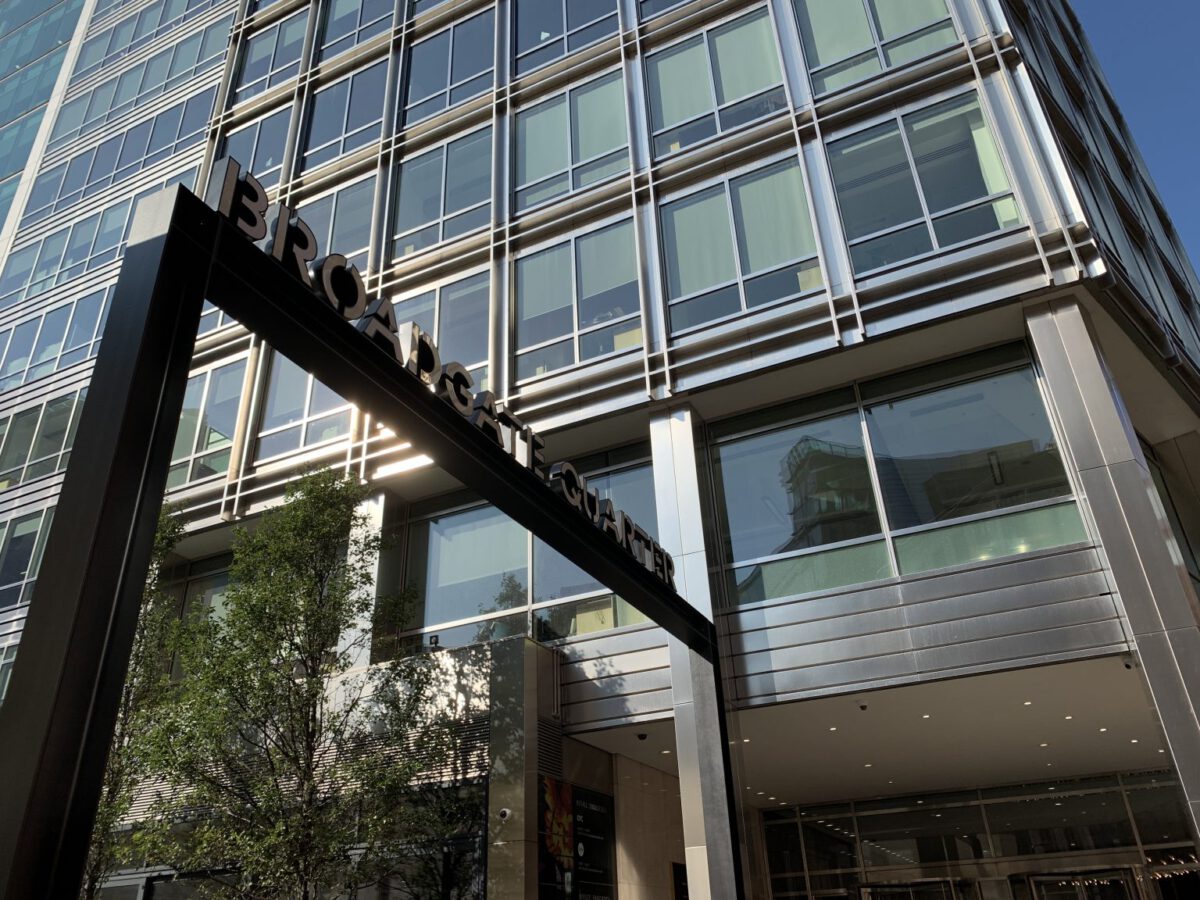
ECEX has completed a major air handling unit (AHU) refurbishment project in the Broadgate Quarter in London.
We have refurbished two massive AHUs at 9 Appold Street, a unique business development between Liverpool Street station and Broadgate.
Both units – one providing a duty of 21 m³/s and the other 16 m³/s – are on the 10th floor of the striking building, which offers fully fitted Grade A space providing outstanding office accommodation. The two AHUs provide tempered fresh air to the entire building.
The work done by ECEX operatives included fan upgrade, chilled water-cooling coil replacement, replacing the large fresh air inlet dampers, and installing new ECEX air intake screens. We also carried out general refurbishment comprising corrosion treatment, cleaning, painting, new latches and seals, and new lighting circuits.
Logistical challenge
James Gafford, contract manager at ECEX, said: “The main logistical challenge in this project was that the installation of these large units was on the top floor of a building accessed by a goods lift that was significantly smaller than the AHUs. This meant that we had to build the coils – which were around 3m wide and 2.5m tall – in kit form in situ because they were too large to fit into the lifts.”
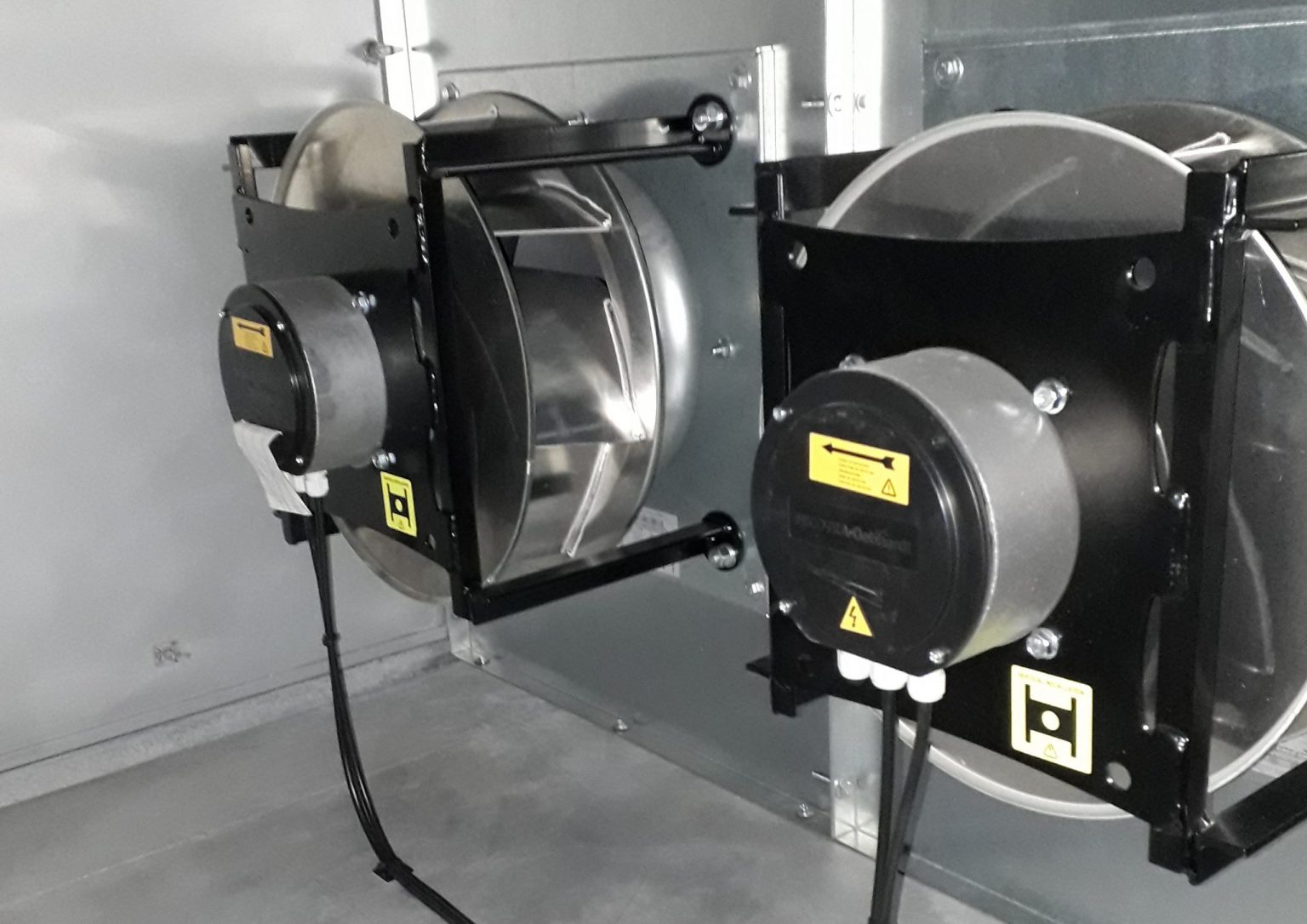
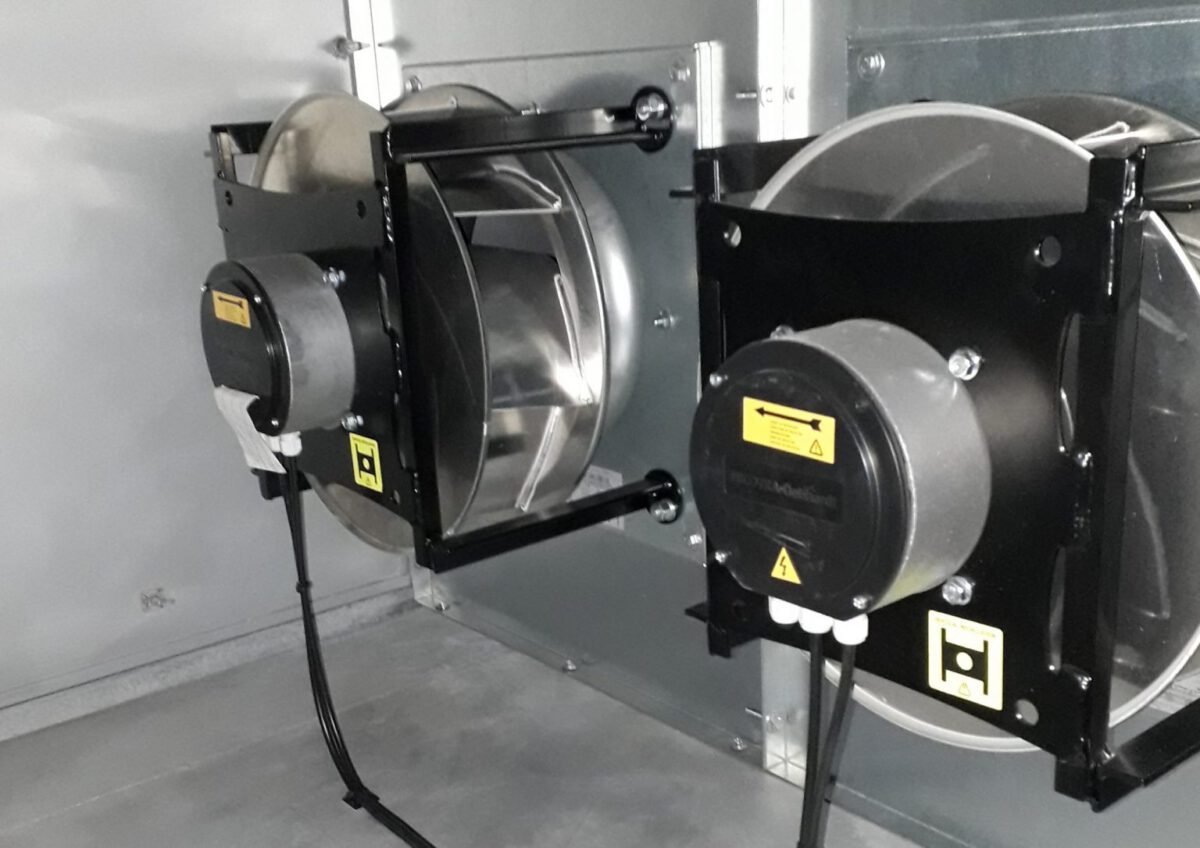
ECEX replaced old, belt-driven centrifugal supply fans with a high-efficiency plug fan array which allowed it to increase the efficiency of the system while also allowing for an element of redundancy in case of a future failure.
Reduced disruption
James explained: “Rather than a single massive fan and motor which, if it failed, would involve considerable expense and disruption, we installed six high-efficiency Nicotra RQM plug fans in each unit. In the event of a future motor failure, the remaining fans can ramp up to deliver the same capacity; the failed fan can then be replaced at a suitable time with minimal disruption or system downtime.”
Nicotra Gebhardt RQM MultiEvo fans combine the compact design of plug fans with the benefits of traditional cased fans. In principle, they are direct driven centrifugal fans with spiral guide vanes. The unique design of the multiple discharge scroll far exceeds the efficiency levels of conventional EC plug fans.
Extended AHU working life
The works completed by ECEX have effectively extended the working life expectancy of the air handling units and the new high-efficiency fans have led to a significant reduction in energy usage which, through planned future BMS integration, can lead to close monitoring and management of energy usage.
About ECEX
ECEX is a multi-specialist engineering contractor offering a wide range of access safety and metalwork solutions, bespoke fabrication, mechanical services, and energy-saving initiatives.
With nearly 30 years’ experience in working with key building maintenance customers, the company is an approved and/or preferred supplier for many NHS Trusts and educational establishments throughout the UK.
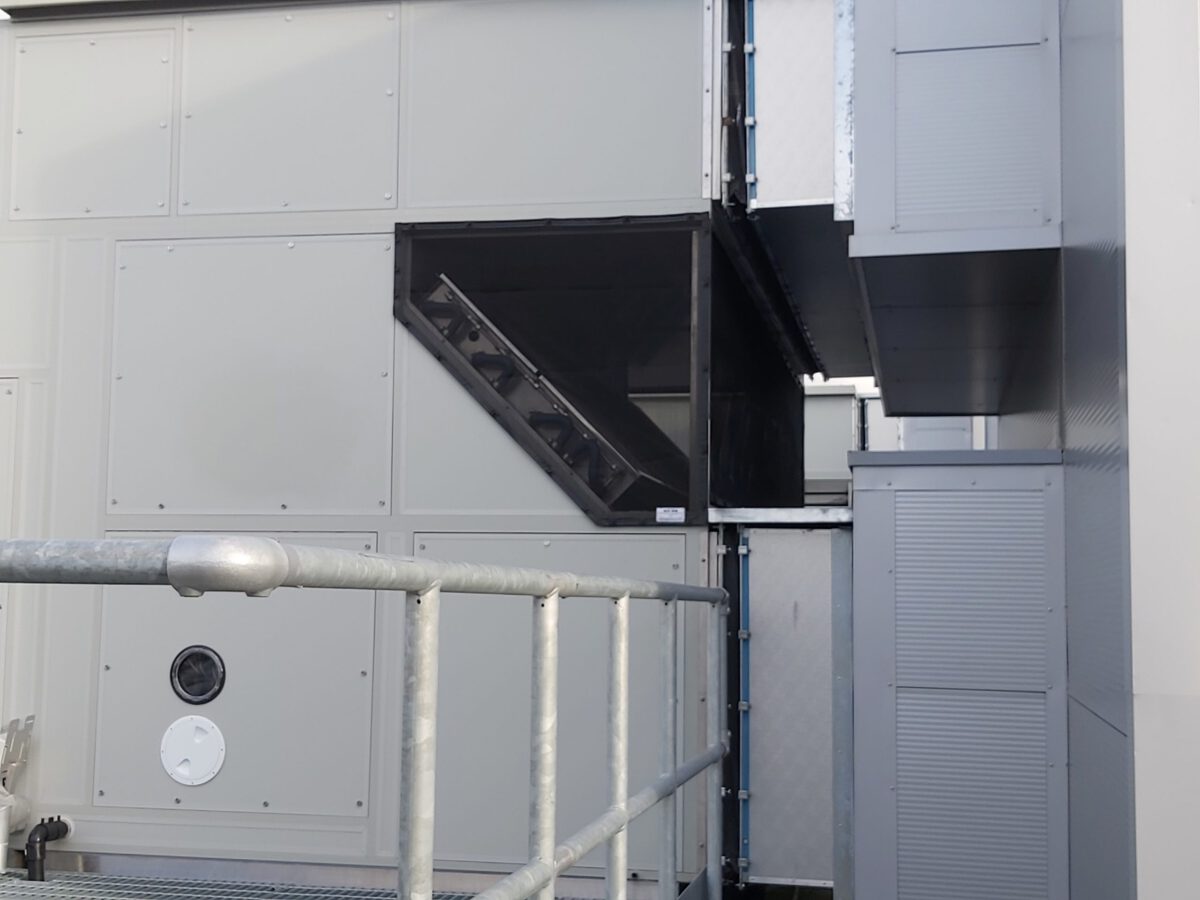
ECEX Heavy Duty Air Intake Screens have recently been installed at a major UK data centre to protect 36 Excool indirect evaporative data centre cooling units, helping to cut maintenance time, improve energy efficiency and reduce the risk of breakdown.
As data centres are such a critical part of our national infrastructure, ensuring operational certainty is a priority for owners, facilities managers and building maintenance providers. This priority can often seem at odds with environmental obligations. Data centres are voracious users of energy, particularly when it comes to cooling which is an essential part of avoiding downtime. In fact, up to 45% of the energy cost is taken up by cooling.
Fixed externally to HVAC equipment, ECEX Air Intake Screens can help balance these priorities, preventing airborne debris, such as dust, leaves and pollen, from entering the system. Without the screens, this debris will clog filters, making HVAC equipment work harder and therefore use more energy, while reducing the lifespan of internal components, leading to greater and more frequent maintenance requirements and a higher risk of breakdown.
Data centre cooling systems protected by ECEX Air Intake Screens benefit from:
- Extended filter life
- Improved energy efficiency
- 10-year warranty (typically 15+ years’ service life)
- Fast return on investment
- Significantly reduced maintenance
When it comes to reducing maintenance, one Data Centre Contracts Manager from London was particularly impressed:
“I can’t recommend fitting the screens enough; they have transformed the maintenance that we have to do on these units; we used to have to jet wash the mesh filters once a week otherwise we started getting a reduction in air flow due to the filters getting clogged up, now it’s less than once a month.
“We do have to vacuum the screens frequently (weather dependant) but this is considerably less arduous than jet washing the filters. We’ve also seen an additional benefit which is that the pond water is not contaminated by the dirt from the mesh filters and so the recycled water is cleaner and thus more effective.”
The manager concluded: “Overall, a resounding success. Myself, and my engineers who carry out the maintenance, are very thankful for your product. The client is also very happy.”